
Moving to Thailand looks straightforward from the outside: warm weather, lower costs, welcoming culture. Living here day to day involves a fair number of practical details that are easy to overlook until they actually affect you. Here is a grounded look at what actually matters.
Visas
Thailand does not have a single, general “expat visa.” Which visa applies to you depends on your purpose: retirement (Non-Immigrant O-A, covered in How to Retire in Thailand), employment or business ownership tied to a Thai company (covered in How to Run a Business in Thailand), marriage to a Thai national, education, or the Long-Term Resident visa for higher earners and investors. Overstaying a visa, even briefly, carries fines and can affect future entry, so track your permitted stay carefully and plan renewals or extensions well in advance rather than at the last minute.
Banking
Opening a Thai bank account as a foreigner is generally possible but requirements vary by bank and branch, typically requiring a valid visa (a tourist visa alone is often not sufficient at many banks), proof of address in Thailand, and sometimes a work permit or letter from your employer or landlord. It is worth researching which banks in your specific area are more foreigner-friendly, since practices differ meaningfully bank to bank and even branch to branch. A Thai bank account makes daily life considerably easier, from paying utility bills to receiving rental income if you own property here.
Driving
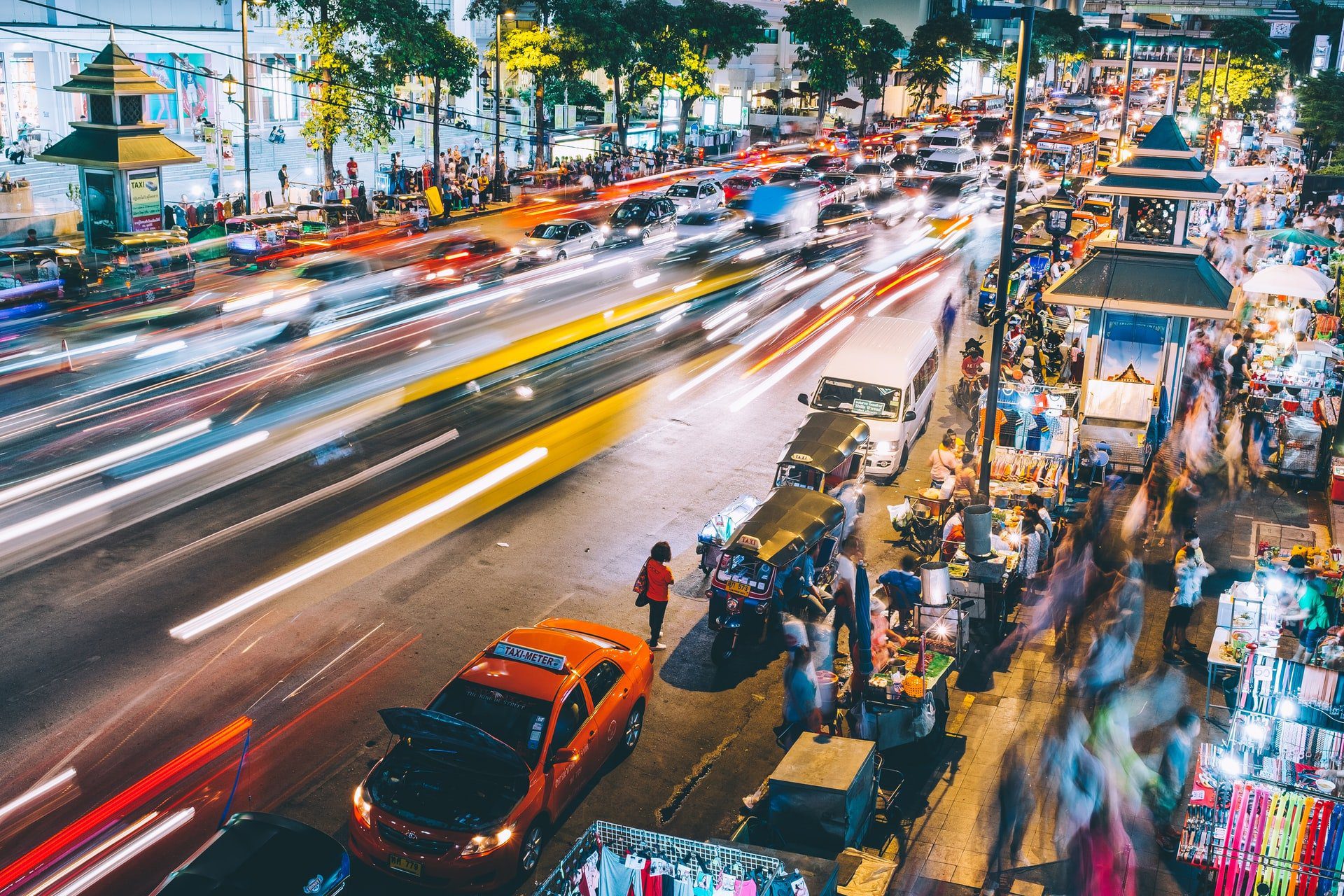
An International Driving Permit, alongside your home country licence, allows tourists to drive legally for a limited period, but longer-term residents are generally expected to obtain a Thai driving licence. Thailand has a notably higher road traffic fatality rate than many Western countries, and driving conventions, particularly around motorbikes, right-of-way, and general road discipline, differ from what many foreign residents are used to. Many long-term expats invest time in genuinely learning local driving norms rather than assuming home-country habits translate directly.
Healthcare and insurance
Private healthcare in Thailand’s main cities and tourist hubs, including Koh Samui, is generally good, with English-speaking staff at major hospitals, but public healthcare access for foreign residents is limited, and healthcare costs, while lower than in many Western countries, are not free. Comprehensive private health insurance is effectively essential for any foreign resident, and is a mandatory requirement for several visa categories. See How to Retire in Thailand for the specific insurance thresholds tied to retirement visas.
Property and where you live
Foreigners cannot own land directly, which shapes how most long-term residents approach housing, whether renting, buying a freehold condo, or structuring a villa purchase via leasehold or a company. See The Property Ownership Laws in Thailand for the full picture, and How to Buy a Property in Thailand as a Foreigner for the buying process if you decide to purchase rather than rent.
Language
English is widely spoken in tourist areas, hospitals, and among younger Thais in cities and popular expat destinations like Koh Samui, but it is far from universal, particularly for government offices, rural areas, and everyday interactions outside tourist zones. Learning at least basic Thai meaningfully improves daily life and is generally very well received, even a small effort tends to go a long way with Thai neighbours, staff, and officials.
Culture and etiquette
Thai culture places strong emphasis on respect, particularly toward elders, monks, and images of the Thai royal family, and on avoiding open conflict or causing someone to lose face in public. Visible respect for these norms, dressing modestly at temples, removing shoes when entering homes, staying calm rather than confrontational when problems arise, goes a long way toward being well regarded as a long-term resident rather than simply tolerated as a tourist.
Cost of living, realistically
Costs are genuinely lower than in most Western countries for many day-to-day expenses, dining out, domestic help, local transport, but this varies significantly by lifestyle and location. Imported goods, international schooling, and property in prime tourist areas can all cost considerably more than the “cheap living” reputation suggests, so build a realistic budget based on your actual expected lifestyle rather than average cost-of-living figures.
Taxes
Thailand taxes residents (broadly, anyone spending 180 days or more in the country in a calendar year) on certain foreign-sourced income remitted into Thailand, under rules that have evolved in recent years, alongside standard Thai income tax on any Thai-sourced income and the property taxes covered in The Property Taxes in Thailand. Tax residency rules are genuinely complex and interact with your home country’s tax obligations, so this is an area worth getting proper, personalised advice on rather than relying on general online guidance.
Where Koh Samui fits into all this
Samui offers a genuinely well-established foreign community, an international airport, and good private healthcare and schooling, all of which make several of the practical challenges above easier to manage than in more remote parts of Thailand. See Why Living in Koh Samui for more detail on island life specifically, and our area guides for how different parts of the island suit different lifestyles.
Take the practical side seriously
The honeymoon phase of moving to Thailand tends to fade a little once the logistics of banking, visas, and healthcare kick in, and most long-term successful expats are the ones who took these practicalities seriously from the start rather than assuming everything would sort itself out. Samui Exclusive can help with the property side of a move and connect you with lawyers, accountants, and visa specialists for the rest. Contact our team or browse current listings on Koh Samui, and read our complete guide to the Thai property market if property is part of your plan.
This article provides general information based on conditions as of 2026 and is not legal, tax, or immigration advice. Rules and requirements change and vary by individual circumstances, so confirm current details with the relevant Thai authorities or a qualified professional.
